
Boosting Your Dog's Food Drive Through Deprivation Training and Work-Based Feeding

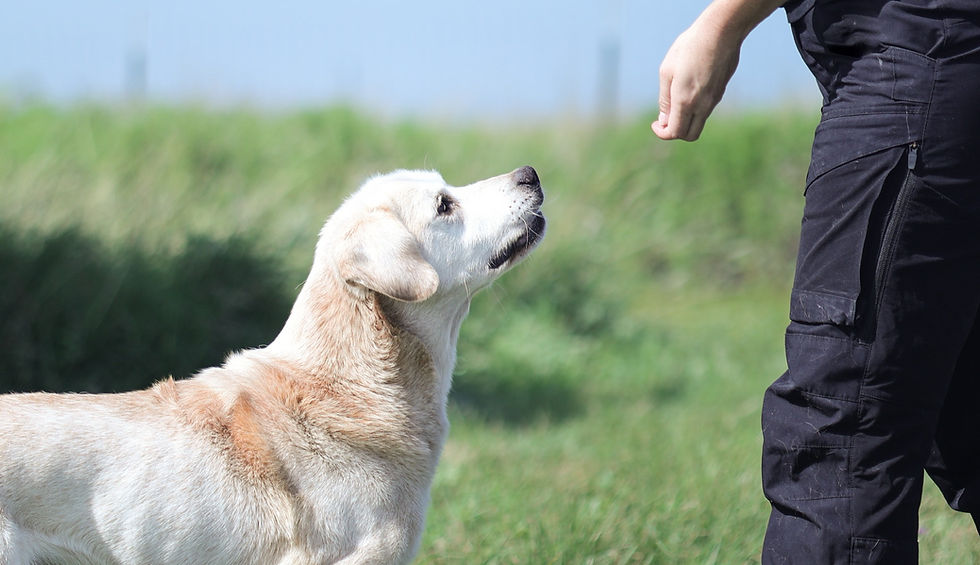
Training your dog can be a fulfilling journey filled with joyful moments and learning experiences. However, motivating your furry friend can sometimes be a challenge. One proven method to enhance your dog's food drive is through deprivation training. This strategy not only encourages your dog to work for their meals but also helps keep their weight in check. In this post, we’ll dive into the concept of deprivation training, discuss the importance of creating a reward system for your dog, and explain how using kibble as a training reward can boost its value in various situations.
Understanding Deprivation Training
Deprivation training is a method that involves withholding food from your dog for a predetermined period, encouraging them to earn their meals through work or effort. This technique can be particularly effective for dogs that appear disinterested in food or treats during training sessions. For example, if you typically feed your dog two cups of kibble a day, try withholding those meals for part of the day, so they can earn their food through training.
The success of deprivation training hinges on safety and health. Always consult your veterinarian before making any changes to your dog's feeding schedule, especially if they have any health issues. This step ensures that the training aligns with your dog's unique needs.
Deprivation is not starvation. The key difference is that we are offering food to the dog regularly. When utilizing deprivation training, we offer the food, and if the dog does not choose to eat or engage, we take away the option and try again after a short period of time. We repeat this process until the dog is hungry enough to take the food, similar to offering a child their uneaten vegetables at every meal until they are eaten.

Building an Economy for Your Dog
Establishing an economy for your dog means creating a clear link between their actions and rewards. This approach is essential in training, helping your dog understand that positive behavior leads to something rewarding, like food or playtime.
When dogs work for their meals, they not only develop a sense of purpose but also promote their mental and physical wellness. For instance, studies show that dogs who engage in work-based feeding may display 25% more enthusiasm during training sessions. By assigning your dog a "job," like fetching a toy or completing an agility course, you enhance their engagement and strengthen your bond.
Preventing Obesity Through Controlled Feeding
One major advantage of deprivation training is its effectiveness in preventing obesity. Overfeeding can lead to serious health issues, such as diabetes, joint problems, and heart disease. In fact, the Association for Pet Obesity Prevention states that approximately 56% of dogs in the U.S. are considered overweight or obese.
By adopting a work-based feeding approach, you can carefully control your dog's caloric intake while ensuring they receive balanced nutrition. When dogs are required to work for their meals, they are less likely to overeat. For instance, incorporating short but energetic training sessions can help maintain a healthy weight, as dogs are more inclined to burn calories through activity.

Training with Kibble: Increasing Reward Value
Using kibble as a training reward is an effective strategy for boosting your dog's food drive, especially in distracting environments. If we consider the dog's daily food as a minimum wage, when we enter more distracting environments we can give them a "raise" by offering treats, chicken, cheese, hotdog, etc. This makes treats even higher value to the dog than before.
To maximize the effectiveness of kibble in training, opt for high-quality kibble with appealing flavor and texture. Mixing in some of your dog's favorite treats occasionally can also keep their interest piqued. The aim is to create a strong positive reinforcement system that motivates your dog to engage fully during training. Our favorite kibble and the food we feed our dogs here at KJ K9 is Inukshuk. Inukshuk offers high-quality formulas for all dogs and puppies with minimal fillers, giving you a lower cost per calorie as well as less pet waste as the dog absorbs most of the nutrition from the food. For help selecting a formula that best fits your dog's needs, please contact us.

Practical Tips for Implementing Deprivation Training
Start Slowly: If your dog is new to deprivation training, begin by limiting their food intake for short periods, gradually increasing the duration as they adapt.
Use Positive Reinforcement: Always reward your dog for their efforts, even if mistakes occur. This encourages them to understand that trying hard is recognized and appreciated.
Incorporate Variety: Keep training sessions fun and engaging by introducing new commands, tricks, or agility challenges.
Monitor Health: Keep track of your dog’s weight and overall health throughout the training. If you notice any behavioral or health changes, reach out to your veterinarian.
Be Consistent: Consistency is vital in dog training. Ensure everyone in your home follows the same feeding and training routines.
Final Thoughts
Deprivation training serves as a valuable method for dog owners aiming to boost their pet's food drive while promoting a healthier lifestyle. By creating a meaningful reward system and motivating your dog to work for their meals, you help them develop a sense of purpose while also preventing obesity. Using kibble as a reward amplifies its value in challenging environments and helps solidify the bond between you and your furry companion.
As you embark on this rewarding journey, remember that patience and consistency are key. Each dog is unique, and finding the right balance of deprivation and reward may take time. With commitment and the right approach, you can significantly enhance your dog’s training experience and overall well-being.


Comments